Research
Wave dynamics in matter
Understanding matter requires more than knowing the states it can support. The evolution of excitations reveals how quantum systems respond, exchange energy, and develop complex behavior beyond what static descriptions alone can capture.
Click a school below to switch
Quantum dynamics
How matter shapes waves
Wave dynamics emerge from the interplay of geometry, dispersion, and interactions. These ingredients can transform regular motion into chaos, reshape quantum resonances, and give rise to collective behavior.
2025
How matter shapes wavesDispersion and confinement
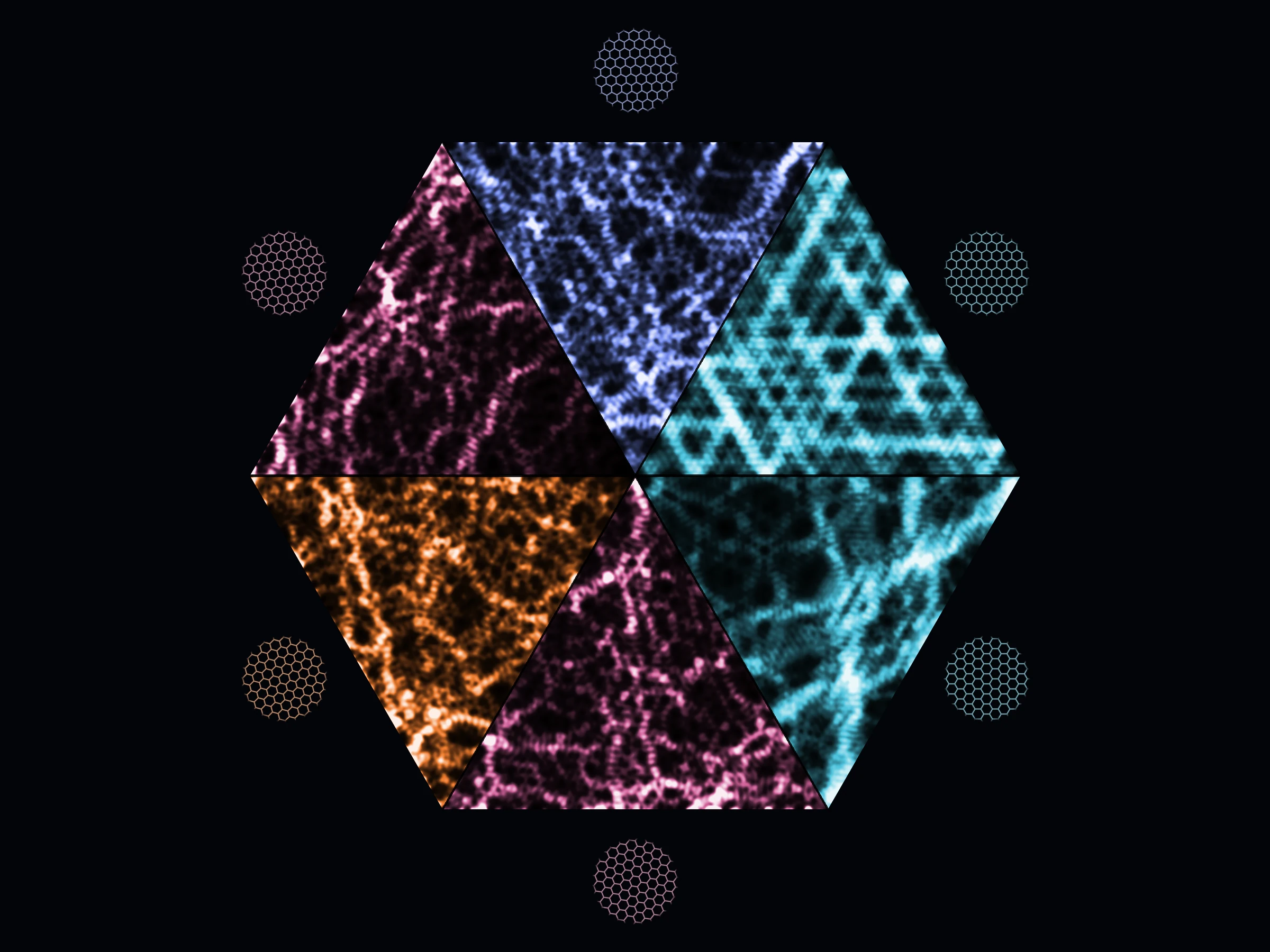
Shaping chaos in bilayer graphene cavities
The dynamics of confined electrons depend not only on the shape of their boundaries, but also on the electronic structure of the material. We showed that rotating a bilayer graphene cavity relative to its crystal lattice can transform nearly regular motion into chaos, revealing a new role for anisotropic dispersion in quantum dynamics.
Publication:
- J. Lin*, Y. Zhuang*, A. M. Graf, E. J. Heller, and J. Keski-Rahkonen, “Shaping chaos in bilayer graphene cavities,” Proc. Natl. Acad. Sci. U.S.A. 123, e2538081123 (2026).
Contributions Large-scale tight-binding simulations · spectral analysis · semiclassical modeling
2025
How matter shapes wavesPseudospin and symmetry
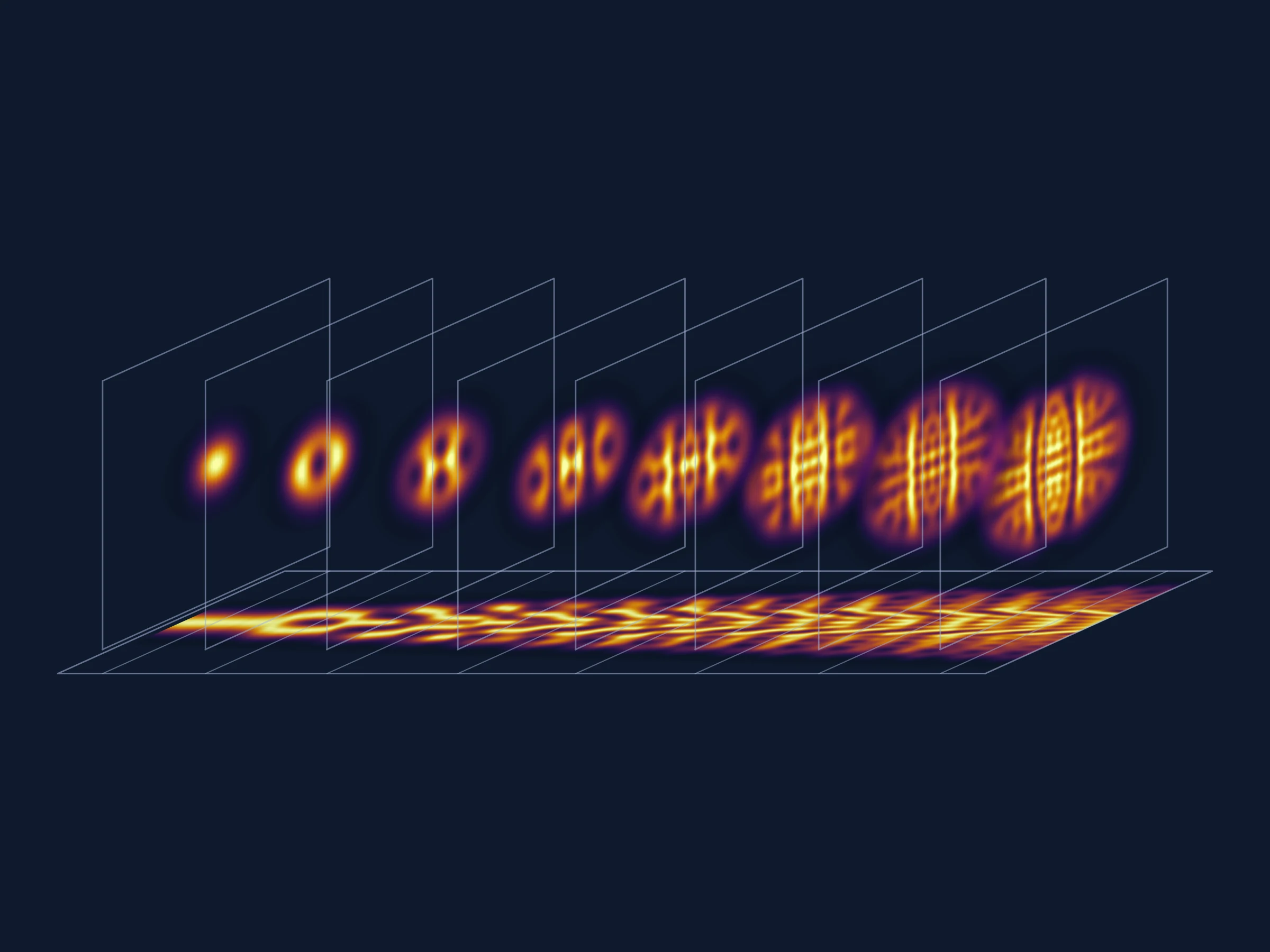
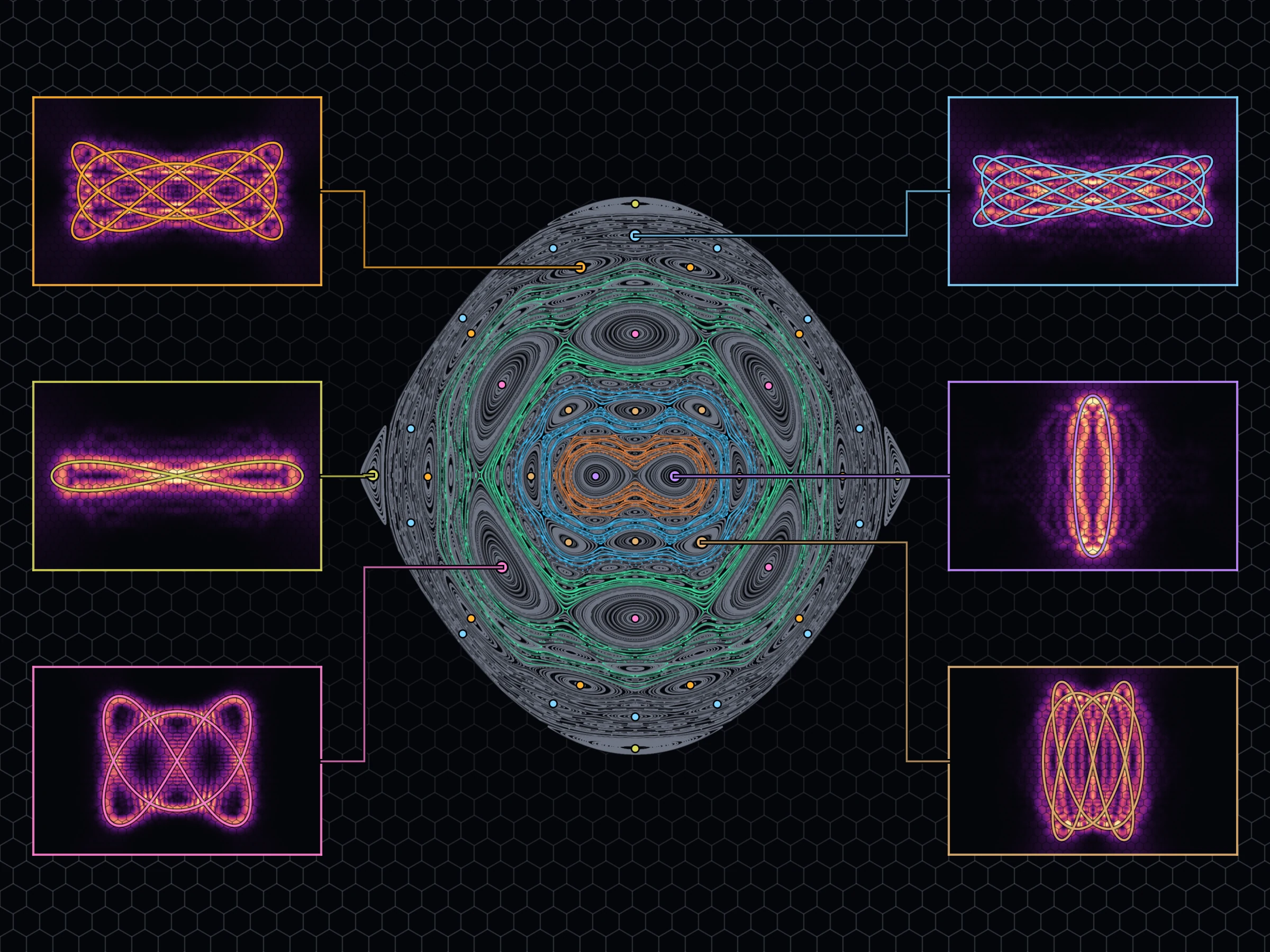
Visualizing integrability breaking of Dirac fermions
The ellipse is a classic integrable geometry for Schrödinger billiards, but this intuition does not directly extend to Dirac electrons. Combining STM measurements with numerical modeling, we investigated how pseudospin and electronic dispersion reshape confined resonances and break the conventional picture of separable quantum motion.
Manuscript in preparation:
- T. Zhu*, Y. Zhuang*, Q. Yao*, A. M. Graf, A. Asryan, Y. Lin, Z. Ge, C. Gonzalez, X. Liu, K. Watanabe, T. Taniguchi, A. Yan, J. Keski-Rahkonen, E. J. Heller, and J. Velasco Jr., “Visualizing the breakdown of integrability in elliptical graphene quantum dots.”
Contributions Numerical modeling · LDOS analysis · physical interpretation
2025
How matter shapes wavesEscape and resonances
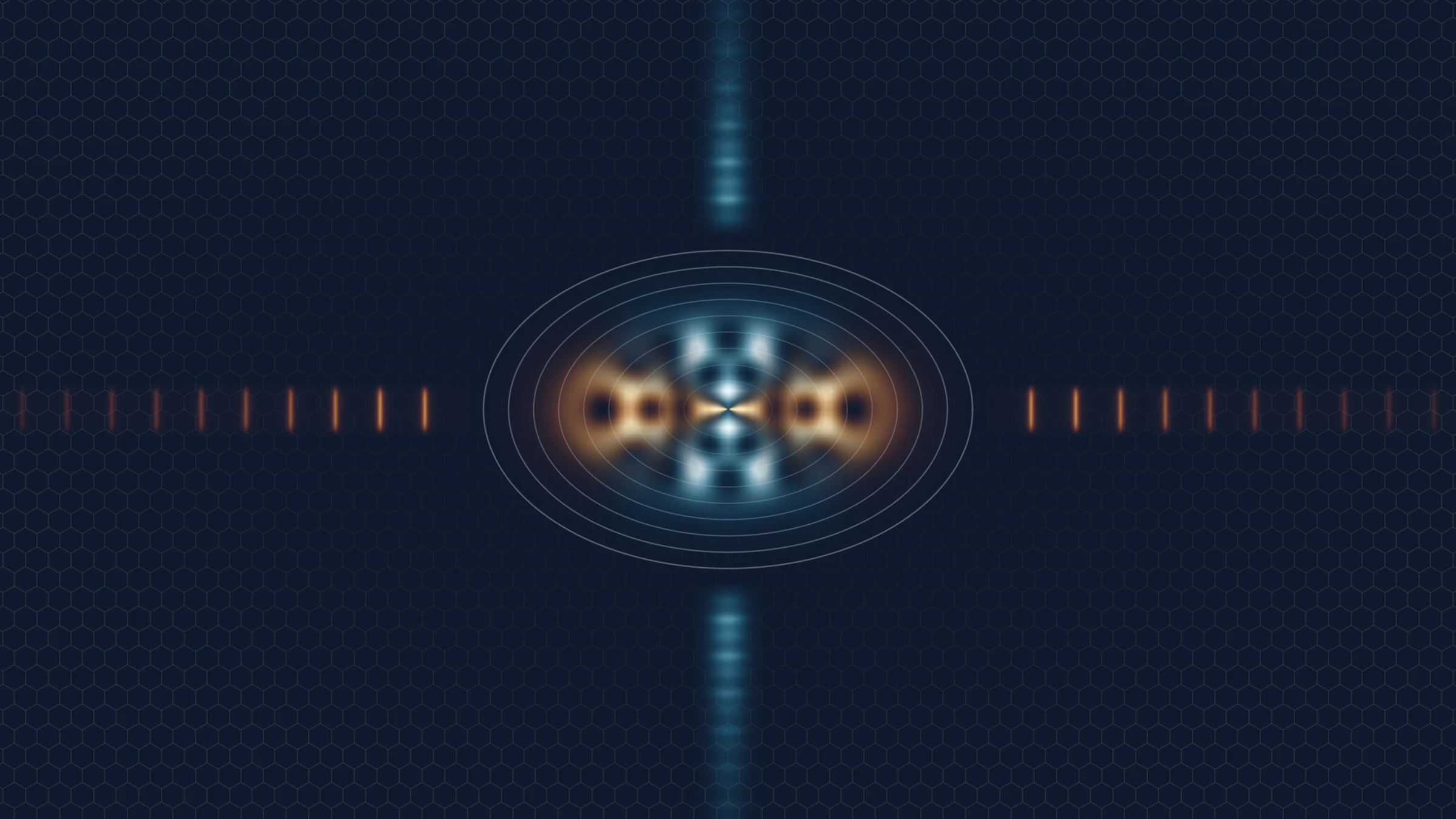
Anisotropic Klein tunneling in elliptical graphene quantum dots
Klein tunneling makes electrostatic confinement in graphene intrinsically leaky, with electron transmission strongly dependent on the angle of incidence. In elliptical quantum dots, this directional escape shapes resonance lifetimes and spatial spectral weight, connecting the geometry of classical trajectories with experimentally observed electronic states.
Manuscript in preparation:
- “Anisotropic Klein tunneling and magnetic-field-induced rephasing in elliptical graphene quantum dot.”
Contributions Resonance calculations · tunneling analysis · theoretical modeling
2026
How matter shapes wavesInteractions and correlations
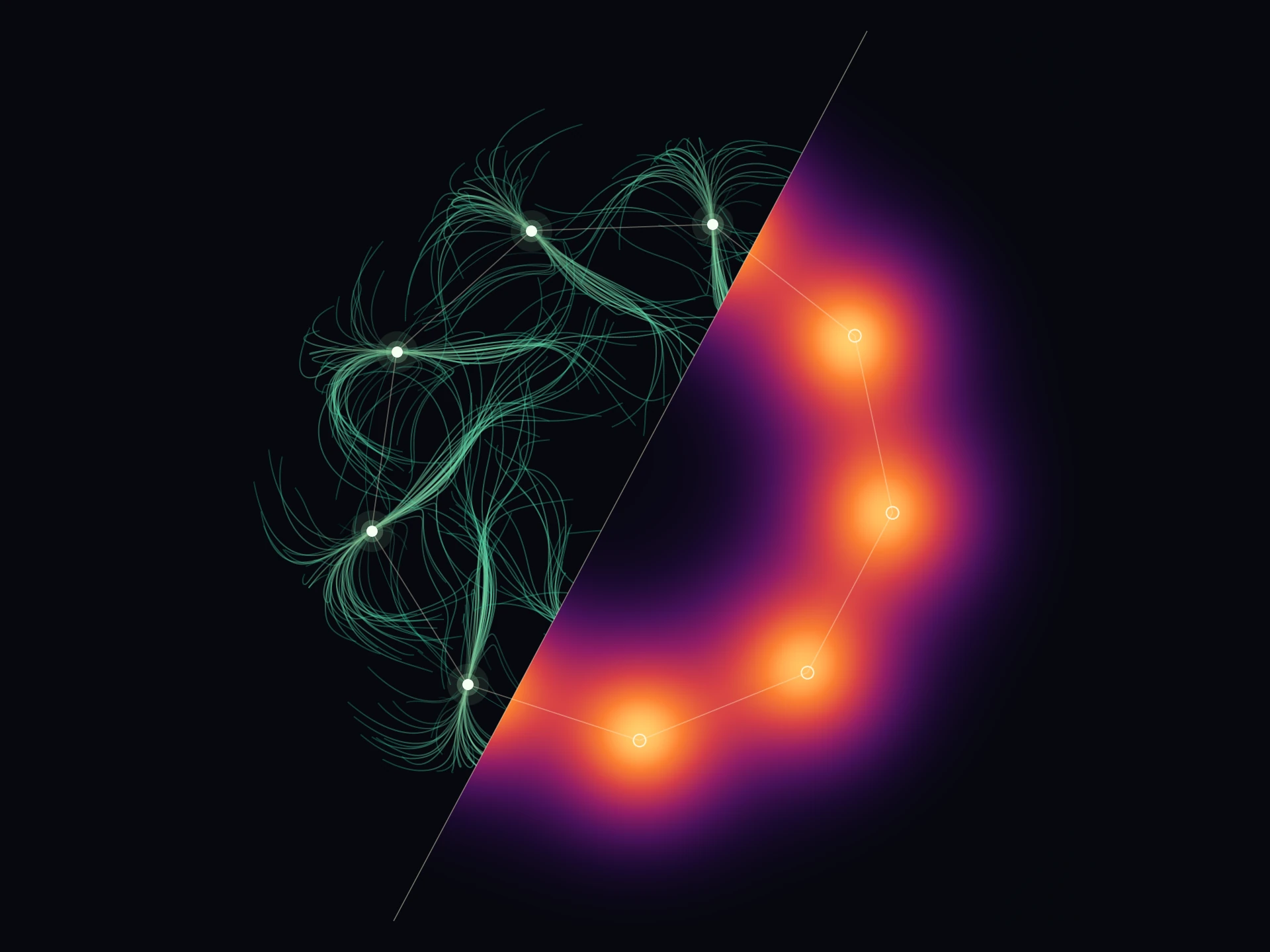
Interaction-induced multielectron scars in Wigner molecules
Strong electron correlations can organize a few confined electrons into Wigner molecules, whose spatial structures resemble those of Wigner crystals. We investigate whether such electronic order can also arise from dynamically unstable collective motion. In two-dimensional electron systems under strong magnetic fields, we identify quantum states exhibiting pronounced spatial correlations associated with unstable rotating configurations of interacting electrons. Enhanced overlaps with coherent states and recurring wavepacket dynamics reveal interaction-induced multielectron quantum scars, demonstrating how collective electron motion can give rise to recognizable spatial order amid chaos.
Manuscript in preparation:
- Y. He, Y. Zhuang, J. Keski-Rahkonen, and E. J. Heller, “Interaction-induced multielectron scars in Wigner molecules.”
Reconstruction & control
How we reveal and shape waves
The full dynamics of waves are often hidden within indirect measurements and complex signals. Recovering their underlying structure opens a path from observing physical phenomena to deliberately engineering coherent motion.
2024
How we reveal and shape wavesQuantum-state reconstruction
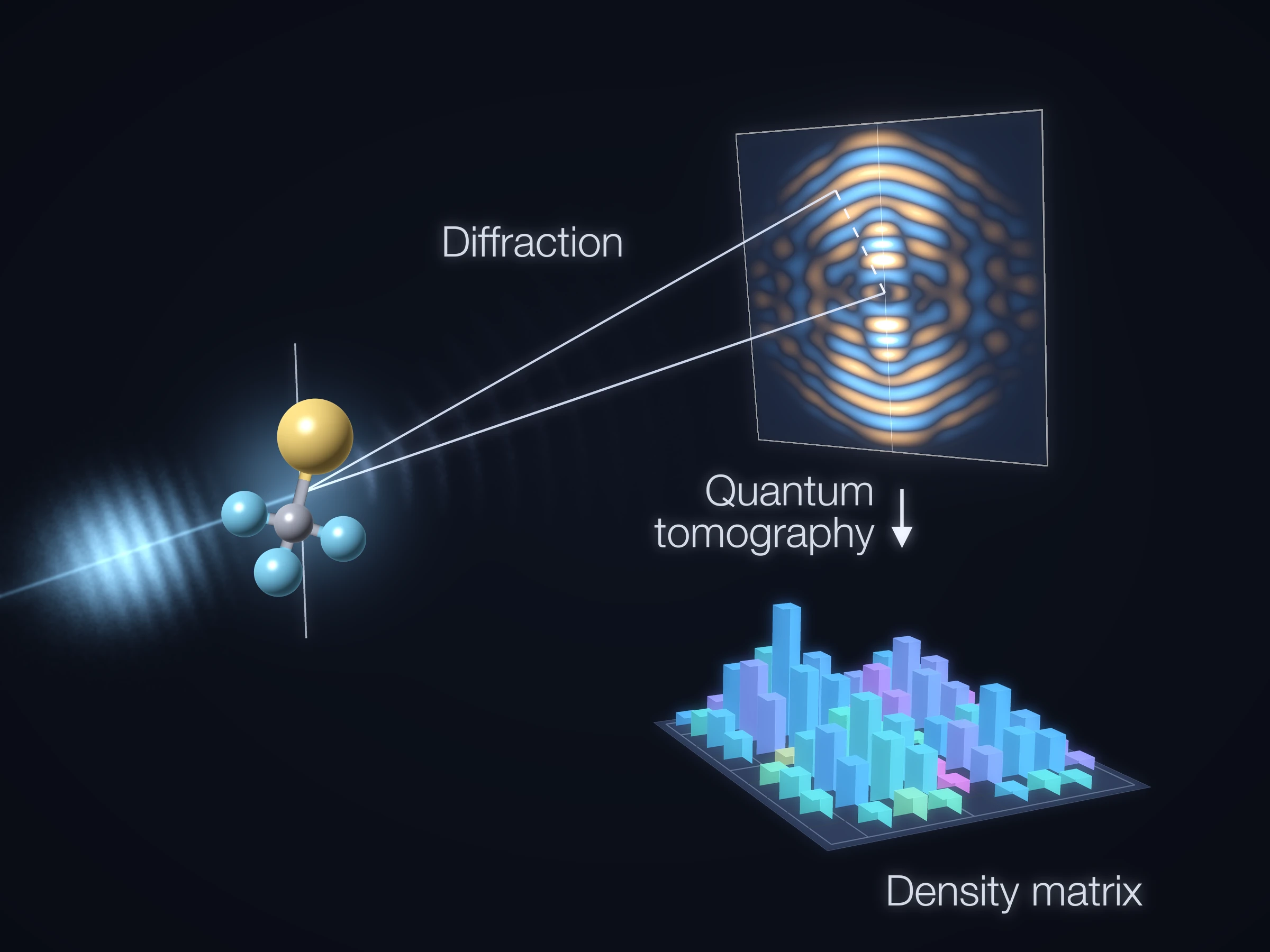
Quantum tomography of molecular rotational wavepackets
An ultrafast laser pulse creates a coherent superposition of molecular rotational states, launching a rotational wavepacket that evolves in time. Time-resolved diffraction provides an indirect probe of this quantum motion. Using simulated diffraction signals, we explored the limits of reconstructing the rotational density matrix and developed physics-informed methods to recover the accessible information.
Related publications:
- B. Dong*, M. Zhang*, Y. Zhuang, S. Zhang, D. Liu, M. Xu, S. Li, A. Ischenko, H. Xu, R. J. Miller, and Z. Li, “Identifiability limits and deep-learning-assisted reconstruction of rotational density matrices for symmetric-top molecules,” J. Chem. Phys. 165, 034102 (2026).
- M. Zhang, B. Dong, X. Mi, X. Dong, Z. Xing, Y. Zhuang, B. Qin, H. Xu, and Z. Li, “Jahn–Teller effect on CF3I photodissociation dynamics,” J. Chem. Theory Comput. 20, 10875 (2024).
Contributions Numerical simulation · inverse reconstruction · physics-informed learning
2025
How we reveal and shape wavesTime-domain spectroscopy
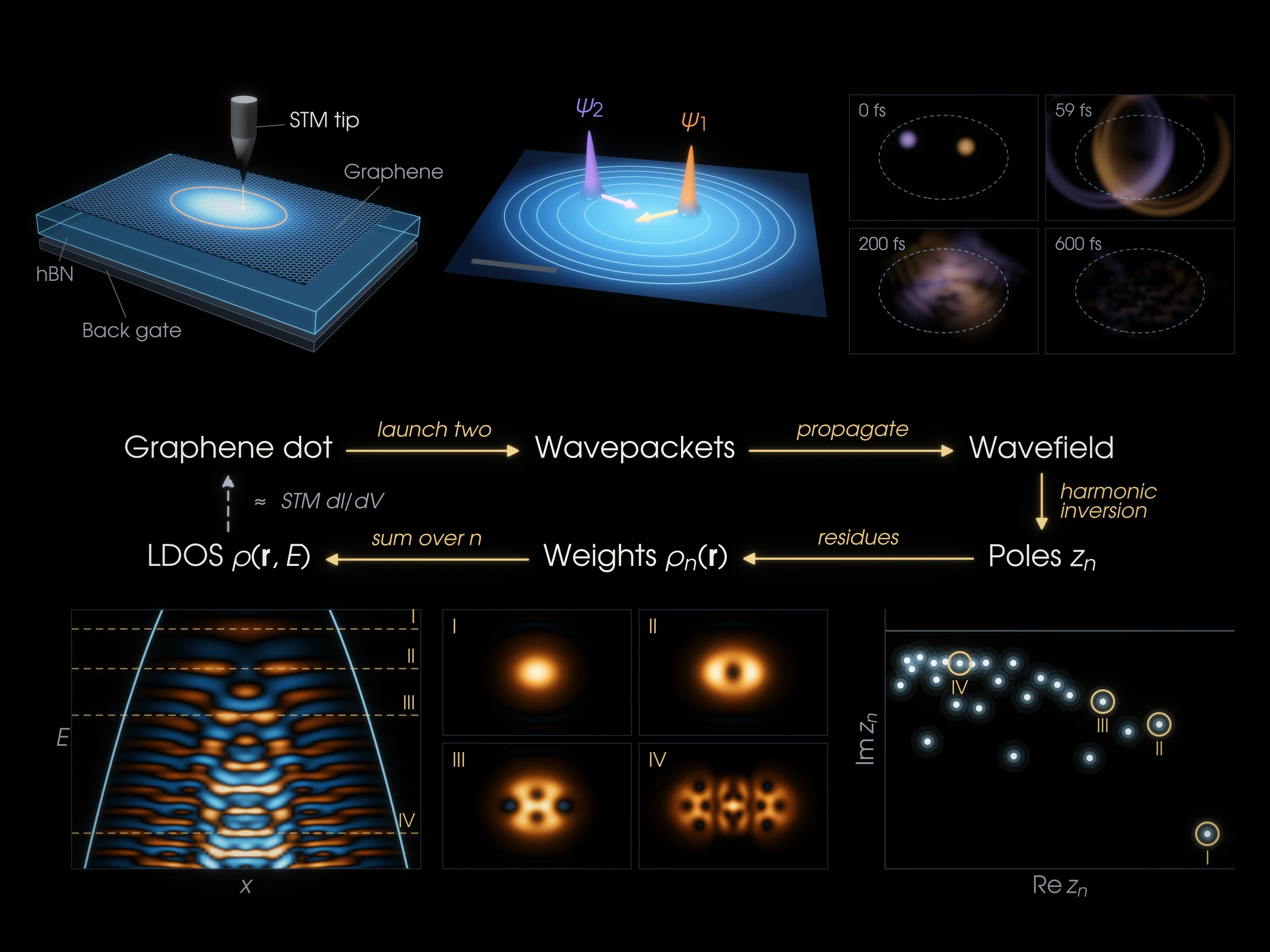
Quantum resonances from wavepacket dynamics
The propagation, interference, and escape of electron waves encode the spectral properties of open quantum systems. Using graphene quantum dots as a model platform, we develop a unified time-domain approach to reconstruct complex resonance energies, lifetimes, spatial spectral weights, and the resonant local density of states from only two wavepacket propagations. By avoiding explicit diagonalization, our approach substantially reduces the computational cost of spatially resolved electronic spectroscopy. It connects microscopic electron-wave dynamics with scanning tunneling spectroscopy and provides a foundation for exploring electronic resonances under ultrafast driving.
Manuscript in preparation:
- A. M. Graf*, Y. Zhuang*, T. Zhu, Q. Yao, J. Velasco Jr., J. Keski-Rahkonen, and E. J. Heller, “Dirac wavepacket dynamics and spectroscopy in open quantum nanostructures.”
Contributions Method development · theoretical derivation · numerical implementation
2026
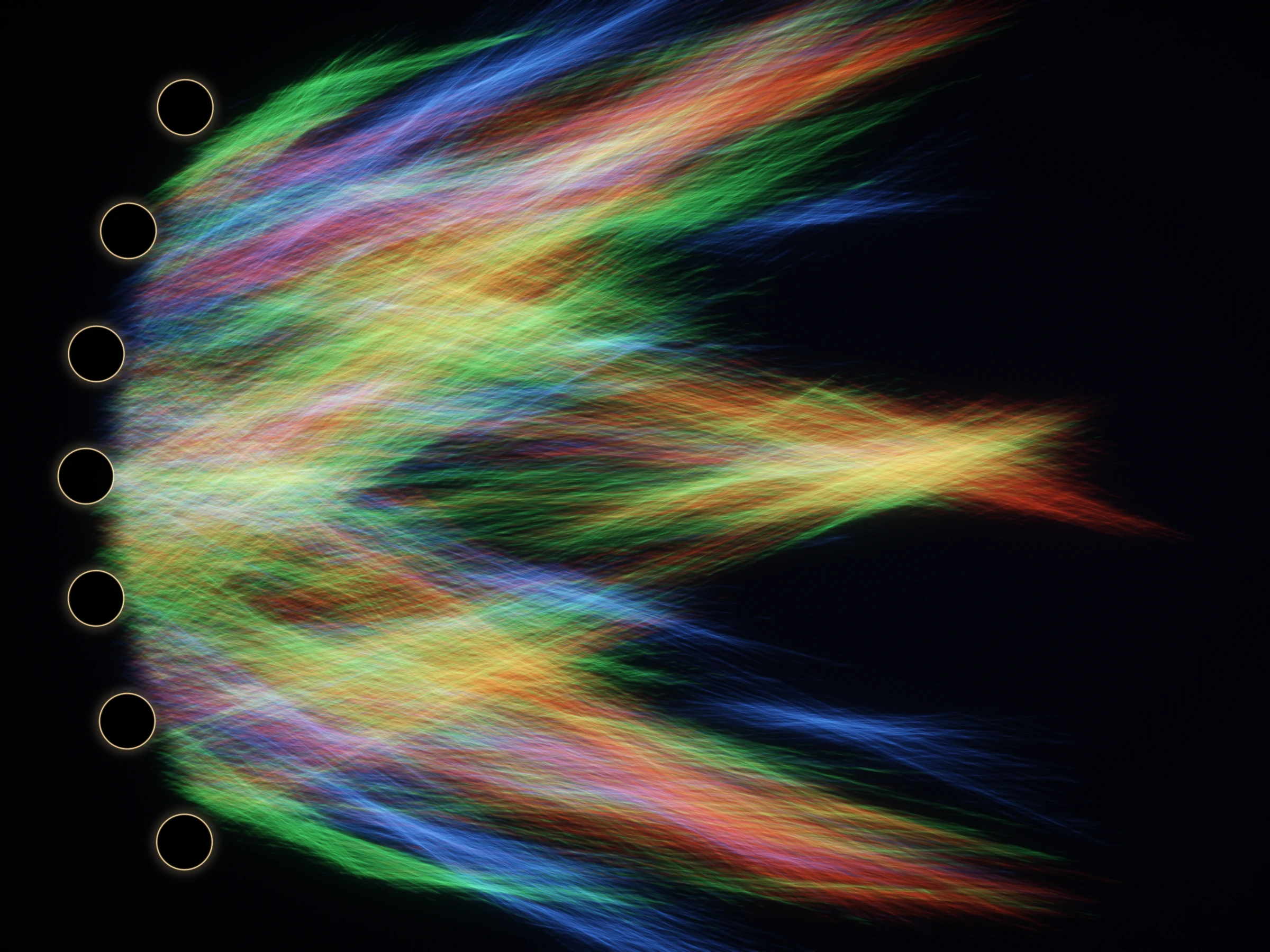
How we reveal and shape wavesImaging, reconstruction, and design
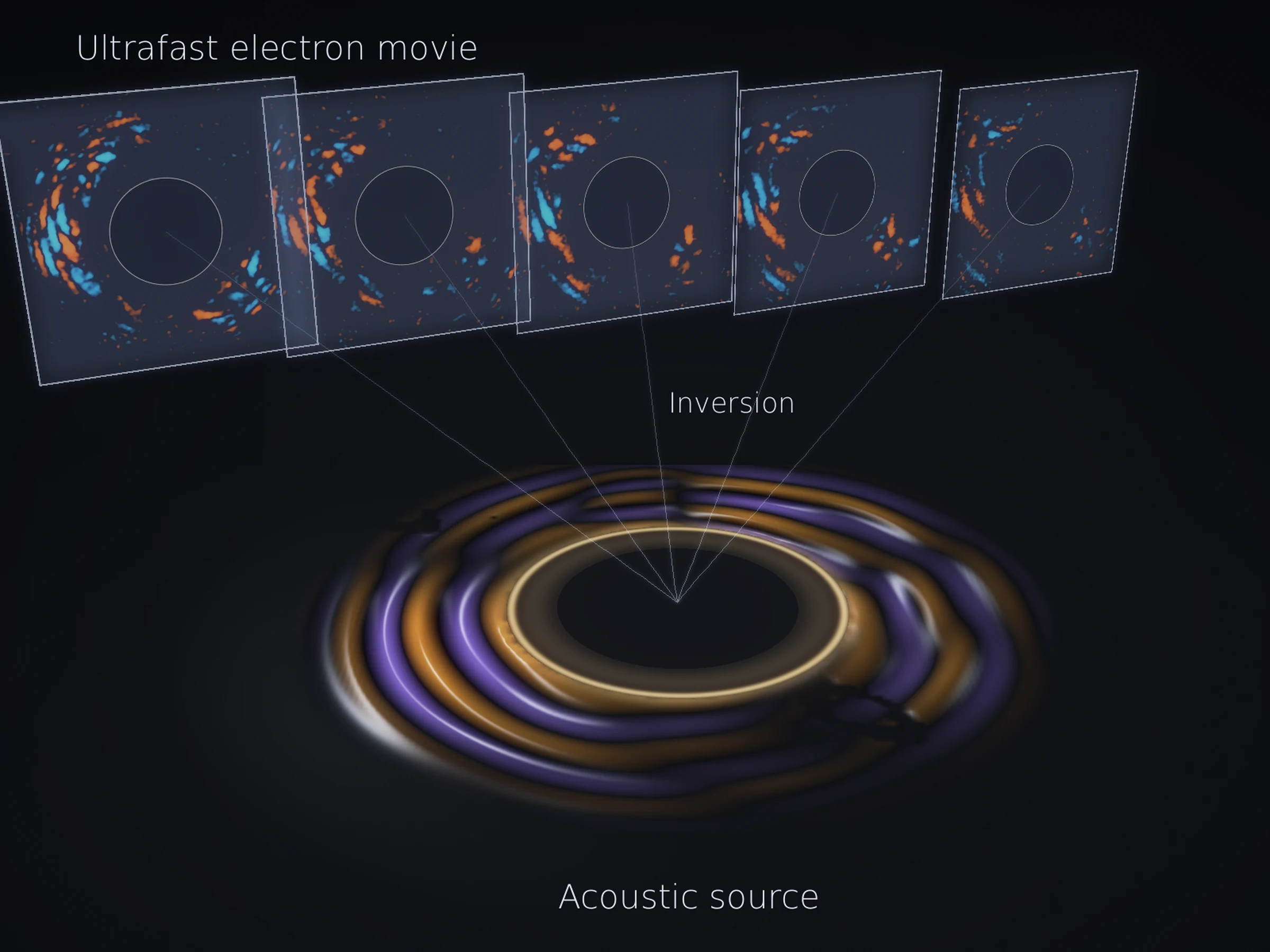
Nanoscale metrology and spectral demultiplexing of ultrafast phonon pulses
Ultrafast laser excitation launches coherent acoustic waves in thin membranes, producing rich patterns of propagating and interfering phonon pulses. Time-resolved electron microscopy captures these dynamics indirectly through diffraction contrast. A physics-constrained inverse framework reconstructs the wavefields and their excitation sources, enabling the design and experimental realization of frequency-selective phonon focusing.
Manuscript in preparation:
- H. G. Bell*, Y. Zhuang*, C. Xu*, E. Park, C. Grossman, K. Reidy, T. E. Gage, C. Ophus, and A. Zong, “Nanoscale metrology and spectral demultiplexing of ultrafast phonon pulses.”
Related publication:
- H. G. Bell*, C. Xu*, A. McCray, M. Han, Y. Zhuang, H. Y. Hwang, C. Ophus, and A. Zong, “Bend contour electron tomography (BCET): quantitative strain and topography mapping,” Phys. Rev. Materials 10, L110801 (2026).
Contributions Inverse reconstruction · experimental data analysis · wavefield engineering
2026
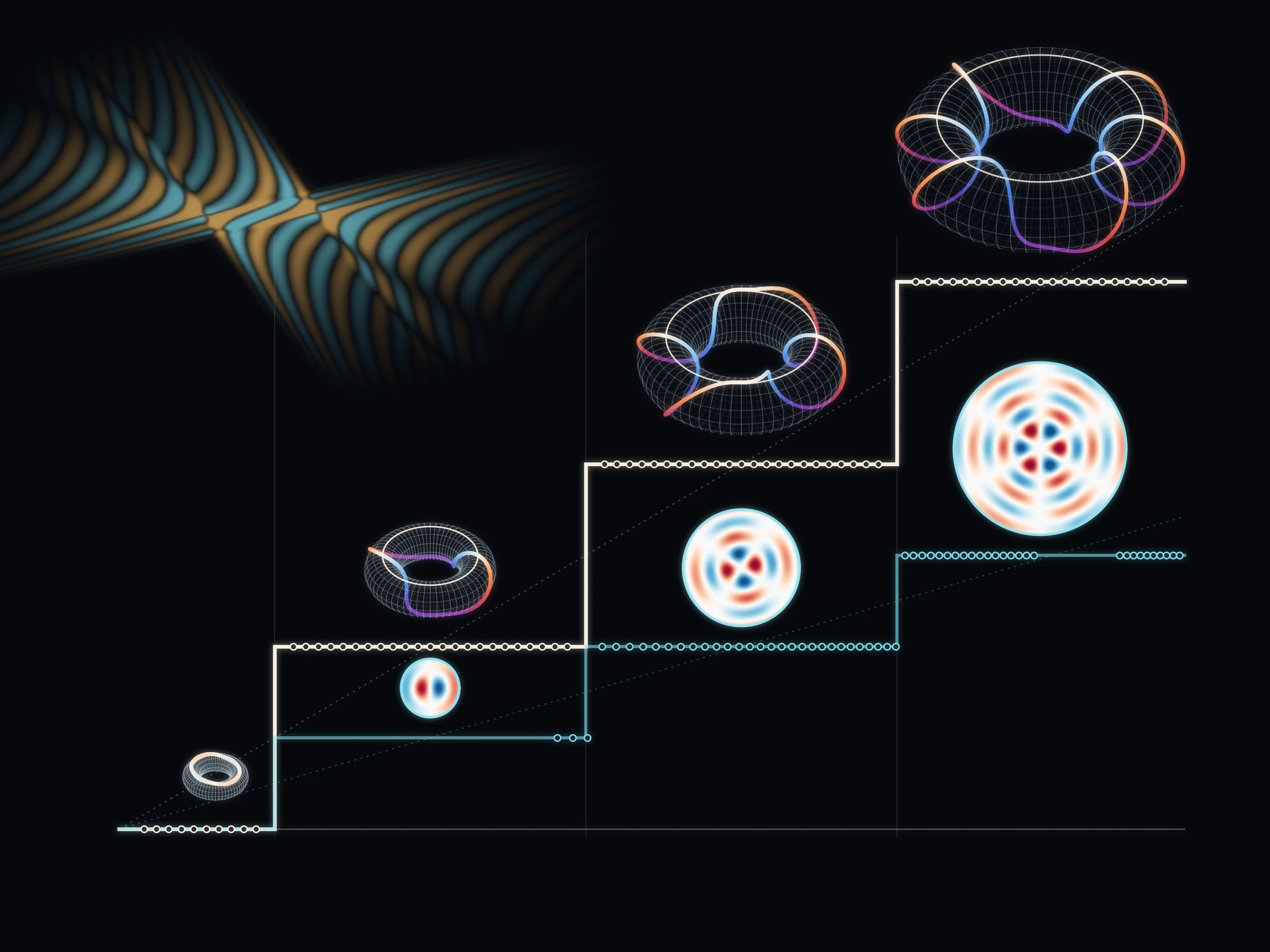
How we reveal and shape wavesTopology and dispersion
Topology of coherent wavefields
Coherent wavefields can possess topological structures beyond those associated with the underlying material’s band structure. Extending momentum-space linking numbers to broadband wavepackets, spiral excitation geometries can imprint distinct topologies on different frequency components. For waves with hyperbolic dispersion, where isofrequency contours are open, an evanescent-wave formulation generalizes the linking-number concept and offers new possibilities for engineering topological wavefields.
Contributions Concept · theory · simulation · experimental design
Beijing
Undergraduate research in Prof. Zheng Li’s group
Cambridge, MA
Full-time research intern in Prof. Eric J. Heller’s group
Stanford, CA
Full-time research intern in Prof. Alfred Zong’s group
Experiment
Theory
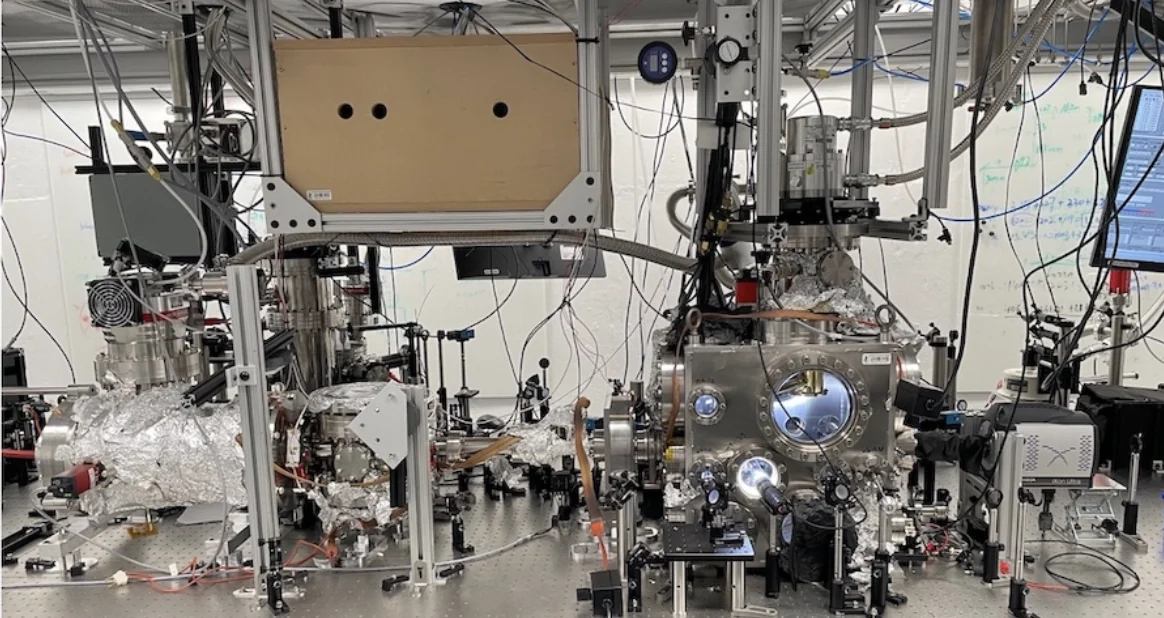
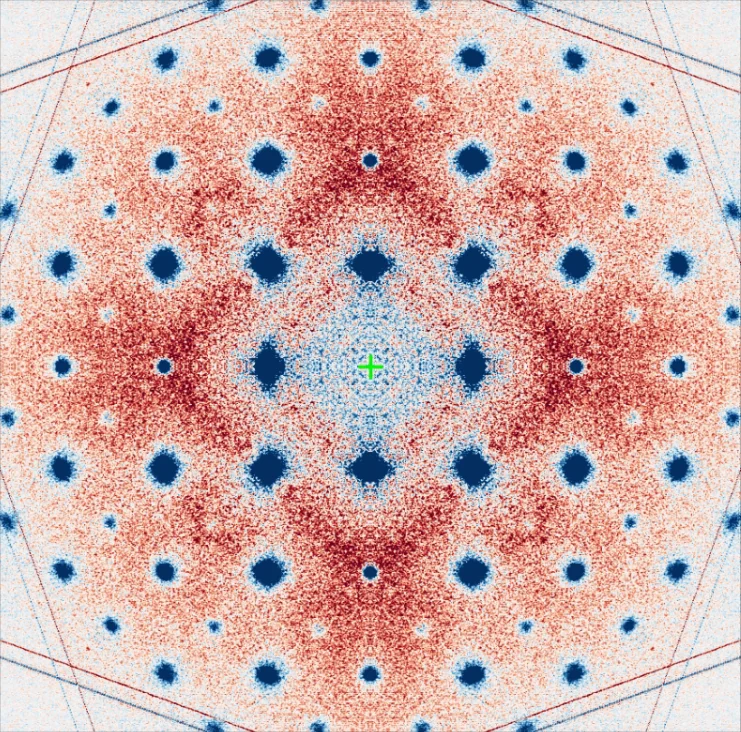
How we reveal and shape wavesInstrumentation
Building a 95 keV tabletop ultrafast electron diffraction instrument
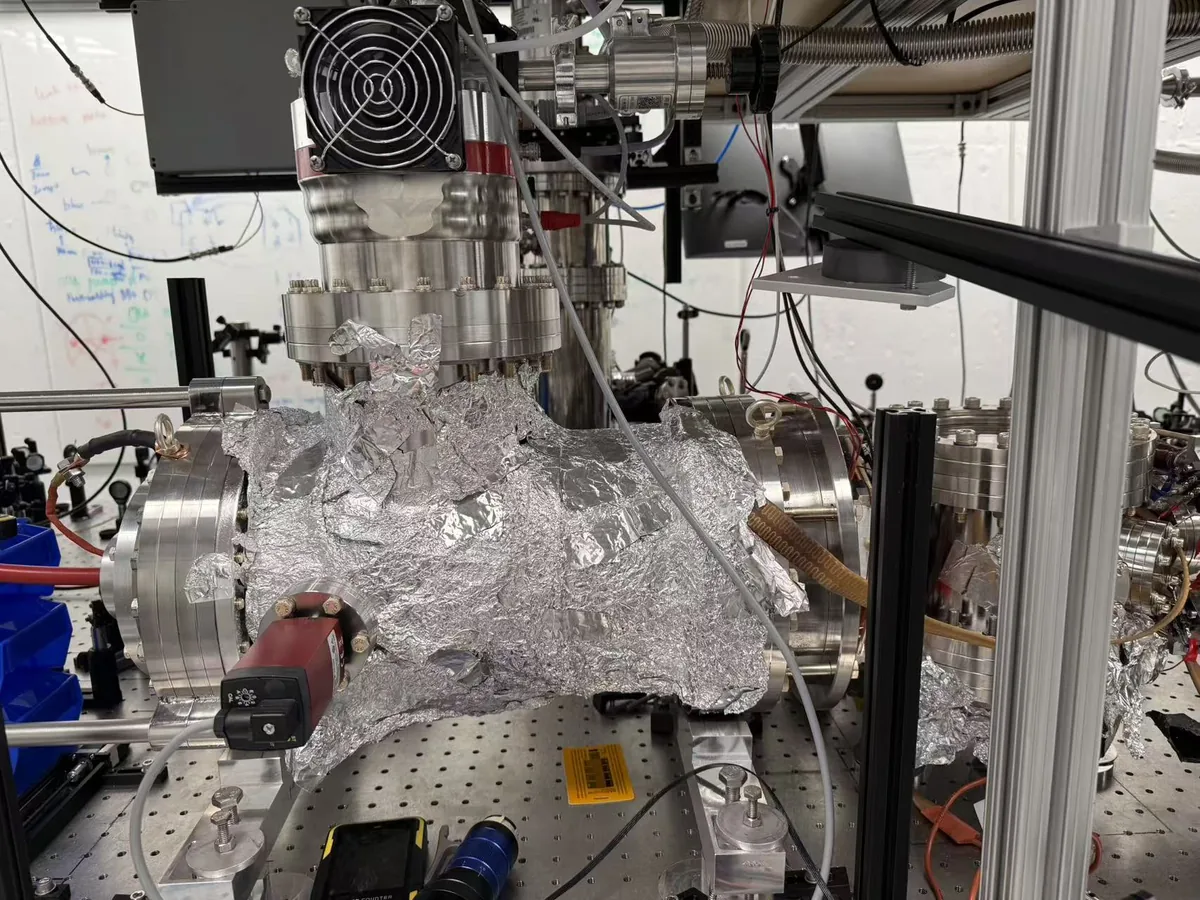
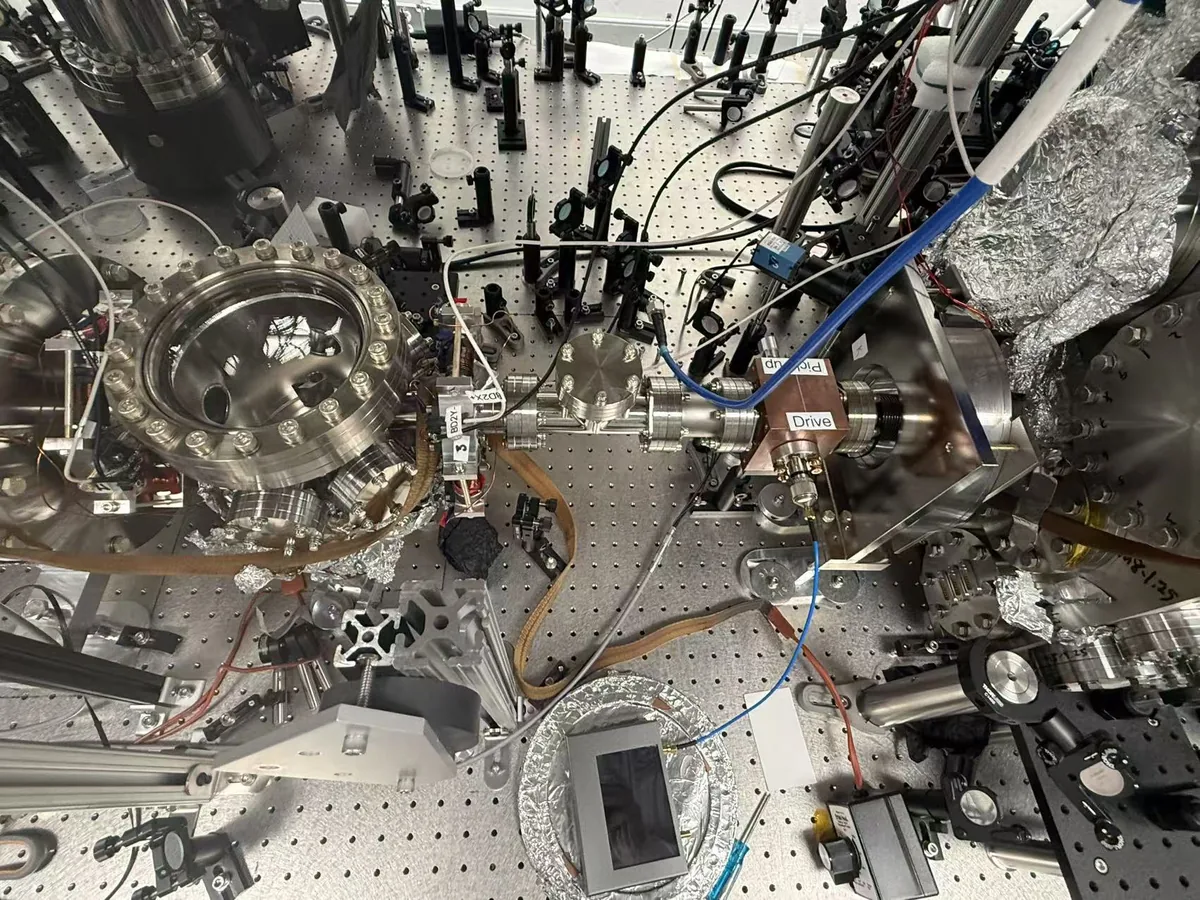
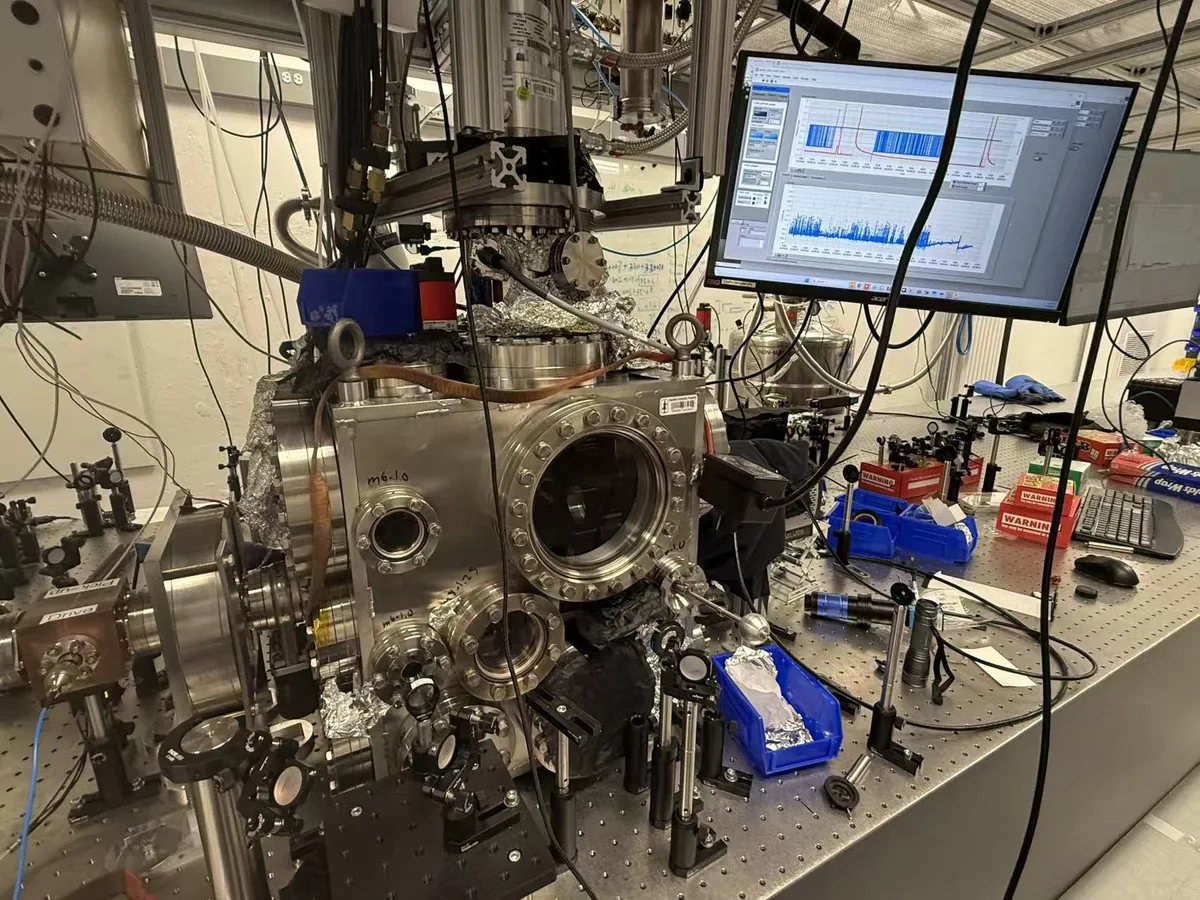
Together with two doctoral students, I built and commissioned a tabletop ultrafast electron diffraction instrument with a 95 keV DC electron gun. This included assembling the mechanics and vacuum system, conditioning the gun at high voltage, installing the RF cavity, aligning the optical and electron-beam paths, preparing samples, and setting up the detector. I took part in the first measurements, from the first diffraction patterns to locating time zero on bismuth, and developed the SrTiO3-based reciprocal-space calibration built into the measurement workflow. Weeks of overnight monitoring traced the drift and jitter that limited long time-resolved scans to a charging insulator and the deflector power supplies.
Contributions Vacuum and mechanical assembly · high-voltage conditioning · beam alignment · reciprocal-space calibration · beam-stability diagnostics